The Wagner Family Bakery
Bakeries, Confectioneries, and Immigrant Life in Harrisburg
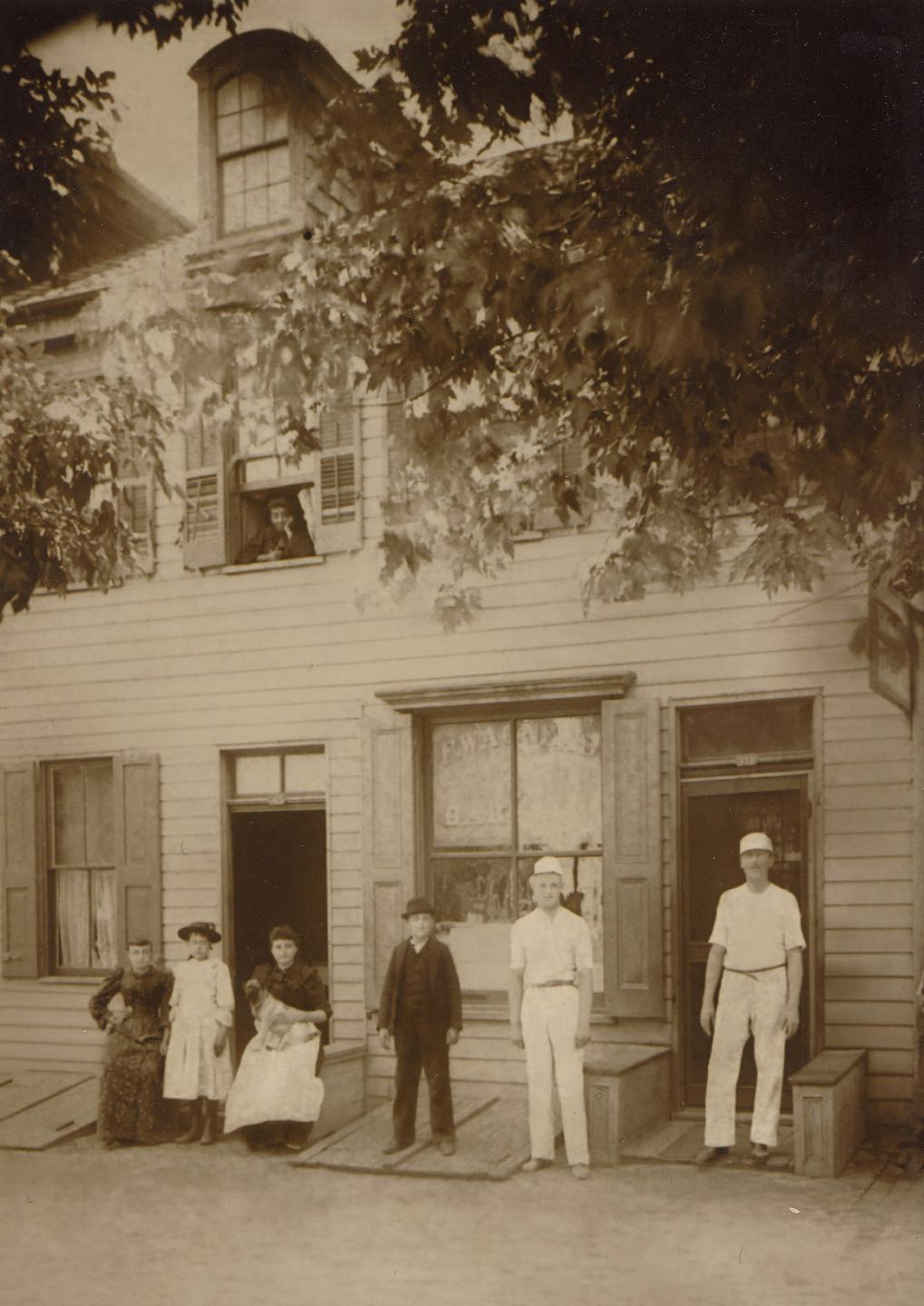
Bakeries and confectioneries came and went throughout the Old Eighth Ward’s history, but a few served the people for decades. Among the longest-lasting was the bakery owned by the German immigrant Frederick Wagner.
In the early twentieth century, confectioneries and bakeries were the heart of the community, much like coffee shops are today. People enjoyed the candies of confectioneries and purchased essential goods from bakeries while sharing neighborhood news. In the Eighth Ward, there were ten bakeries owned by sixteen bakers and eleven confectioneries owned by thirteen confectioners between the years 1890 and 1917. Among these was Frederick Wagner’s bakery, located on the corner of State and Cowden Streets, which served Harrisburg for forty-four years.
Immigrants often operated bakeries and confectioneries, reflecting their crucial role in Harrisburg’s economic and social life. German immigrants and their children ran many of the Eighth Ward’s bakeries. However, by the early twentieth century, Lithuanian Jews and Italians also owned and operated bakeries. Confectioners’ ethnicities were more diverse than those of bakers. African Americans, Greeks, Lithuanian Jews, and Italians maintained confectioneries in Harrisburg. Notably, at least four women owned confectioneries, highlighting this profession’s diversity.
While bakeries and confectioneries were relatively easy for immigrants to establish, they turned over frequently. The historian Stephanie Patternson Gilbert determined that bakeries and confectioneries in the Eighth Ward were open for an average of 6.3 and 5.3 years, respectively. Operating a bakery or confectionery was often a matter of survival because immigrants faced restricted access to professional and industrial jobs, forcing many into family-run food businesses where they could forge a living and support one another.
Within this world of immigrant entrepreneurship, confectioneries stood out as particularly accessible. More affordable equipment and available literature about confectioneries encouraged immigrants, freedmen, and women to join this profession because they could teach themselves how to do it. These businesses were also commonly family-owned, run by pairs of brothers, such as the Greek Rolles family, or parents and their children. However, the low barrier to entry also meant high competition, leading some businesses to fail quickly. The most successful establishments, such as Frederick Wagner’s bakery, thrived due to individual talent, strong community support, and, perhaps, good fortune.
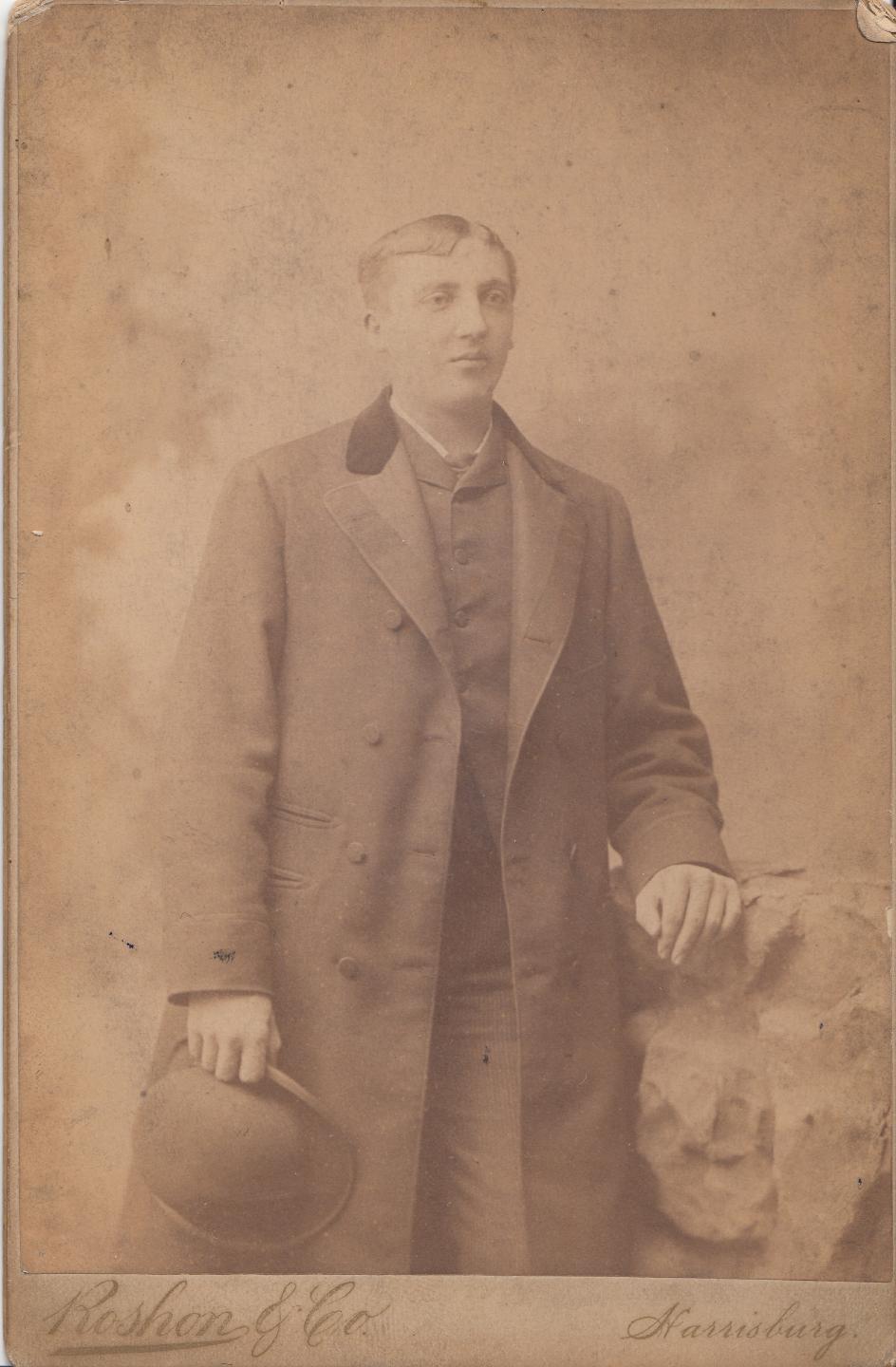
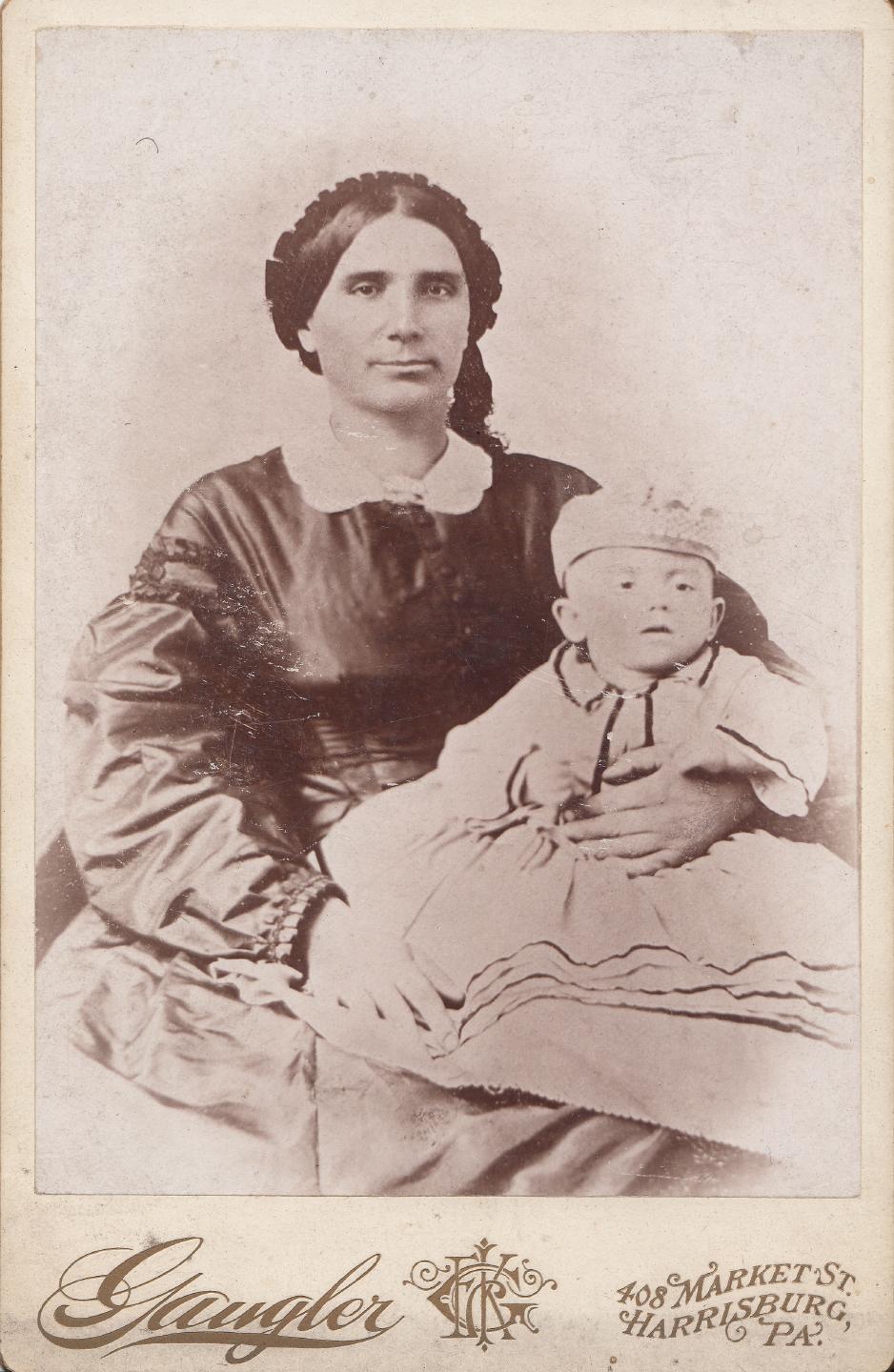
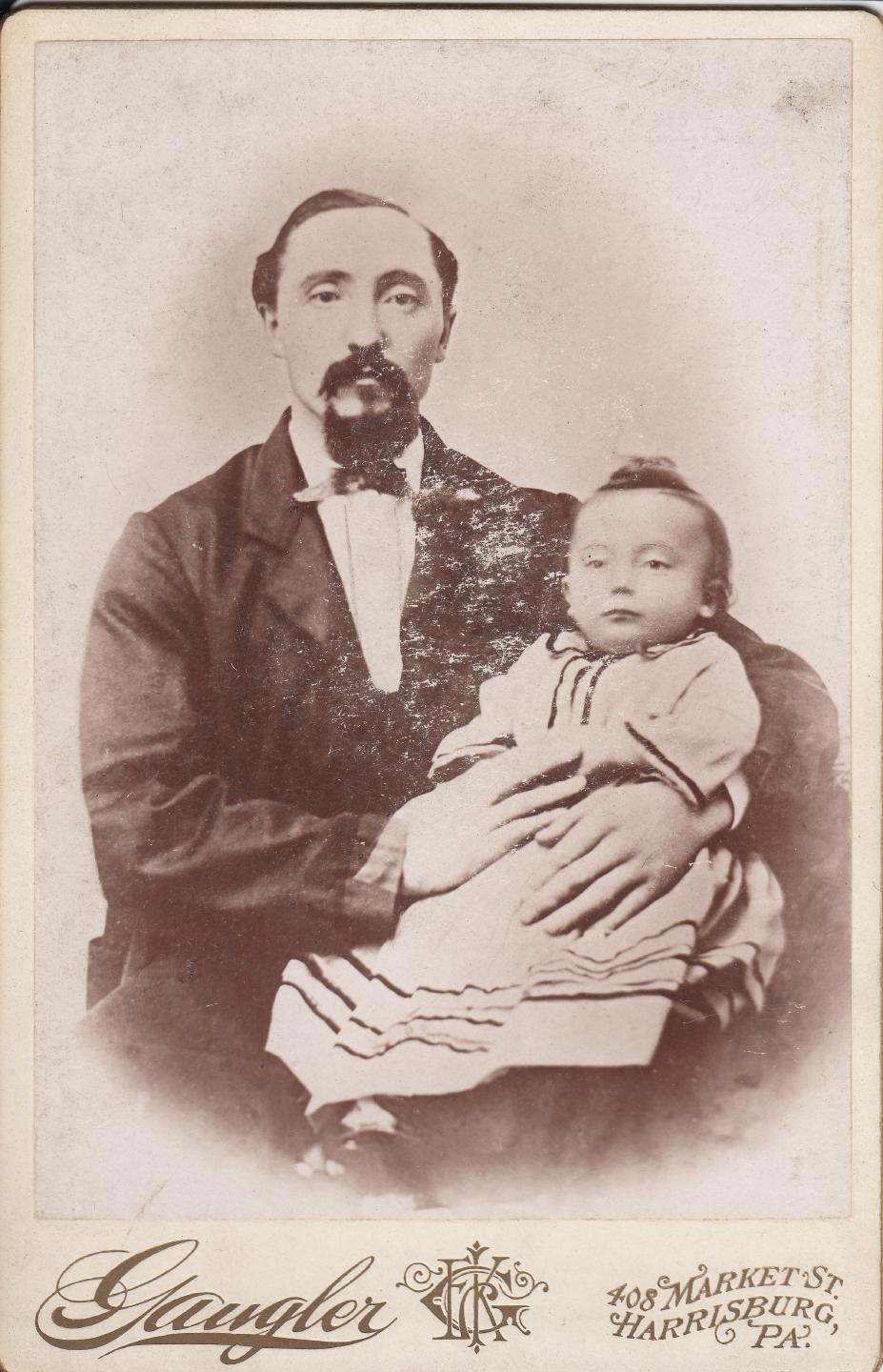
Frederick Wagner’s personal journey demonstrates how immigrant entrepreneurs could establish themselves in Harrisburg over several decades. Born in Wittenberg, Germany in 1834, he immigrated to the United States in 1855. He began his baking career on the street corner of State and Cowden in 1863. When called to serve in the Civil War several months later, he paid for a substitute. That decision probably saved the business, as no one else would have been available to run it in his absence. Two years later, he married Maragareth, a native of Alsace-Lorraine. They had four children, twins Henry and Maggie, and two other daughters, Minnie and Annie. The eldest and only son, Henry, served as a baker’s apprentice for his father for several years. Frederick also helped mentor numerous other immigrants and young people. He had at least one other baker or apprentice in the household continually, fostering the next generation of skilled tradespeople.
Wagner’s deep roots in the local German-American community helped his business thrive. The German immigrants in Harrisburg were a very tight-knit community. This community prospered through marriages between German families and German-speaking institutions such as the church the Wagners attended. The German Evangelical Zion Church in Old Verbecktown (today’s Midtown) was an offshoot of St. Michael’s German Lutheran Church on State Street. Speaking in their native language was part of their heritage and was one way they kept their culture alive. The Wagners were also able to achieve some social stability within their community, as is evident in Frederick and his daughter Maggie leading the grand march for the Concordia Ball on New Year’s Eve at Shakespeare Hall in 1885. The Wagners also brought German bakers to work at their bakery and would hire apprentices from German families. It would not be a stretch to consider that the German families of the Eighth Ward helped Wagner’s bakery to thrive by purchasing their goods there, much as families today support businesses that they feel connected to.
The Wagner family, like many immigrant families, maintained their business despite personal and professional challenges. A fire in 1887, for example, damaged the bakery and forced Frederick to close his business for a time; he was able to reopen a couple of weeks later. In 1894, a personal tragedy befell him: Frederick’s oldest son, Henry, the heir apparent to the bakery, died at age thirty-one of a cerebral hemorrhage while working in the bakery, depriving the family of a future owner. Frederick’s bakery closed in 1907 due to Frederick advancing in years. Even if a family member had taken over the business at this point, the new owner would have had to move to a different location due to the Eighth Ward’s demolition a few years later, and would have had to compete with emerging industrialized bread factories. Frederick’s wife, Maragareth, passed away in 1907, two years before Frederick himself died after falling from a second-story window, evidently having suffered illness for several months prior. The Wagner story underscores both the resilience and fragility of family businesses during this period.
By providing a space to buy food, share news, and connect with others, bakeries were essential to life in the early twentieth century. Bakers in the Eighth Ward had to survive through difficult circumstances, such as the demolition of the Eighth Ward and the industrialization of bread factories, which made bread cheaper and more easily available. Yet, despite all these challenging circumstances, bakers like Frederick Wagner continued to thrive. He and his family operated a successful bakery for forty-four years, thanks in part to the support of the local German community.
A full list of resources for this story can be found here.
Audio
Images